Colon Cancer Rates Are Rising—The #1 Habit That Could Help Protect You
Colon cancer is on the rise—and one of the most overlooked protective tools we have against it (and many other gut issues) is a powerful little postbiotic called butyrate.
Let’s break it down.
What Is Butyrate?
Butyrate is a short-chain fatty acid (SCFA)—aka a postbiotic—produced when beneficial gut bacteria ferment resistant starches and other prebiotic fibers in the colon. Read more about my take on resistant starch (a form of prebiotic fiber) here.
Think of postbiotics as the end-product of a healthy, thriving microbiome doing its job. When your gut bugs munch on fiber-rich, fermentable foods, they "poop out" butyrate. Butyrate IMO is the crown jewel SCFA of the others like acetate and propionate; your colon LOVES it.
Why Butyrate Matters for Gut Health (and Beyond)
Butyrate is crucial for:
Preventing colon cancer
Lowering colonic inflammation
Repairing DNA damage
Sequestering harmful ammonia (which can build up from poor protein metabolism)
Decreasing intestinal permeability by repairing the epithelial lining
Basically, butyrate helps protect and nourish the very cells that line your colon (colonocytes). It’s also involved in stabilizing your immune system, improving brain clarity, and supporting a calm, resilient gut.
The Connection Between Butyrate, SCFAs & Inflammation
As mentioned, SCFAs like butyrate, acetate, and propionate are produced in the large intestine during the fermentation of fiber and resistant starches. In a healthy gut, about 95% of these are absorbed by the intestinal mucosa—which means only a small fraction shows up in your stool.
SCFA testing is a bit like a Goldilocks situation—you don’t want your levels too high or too low. You want them just right!
If your SCFA levels are high in your stool, it could mean your digestion is moving too fast (like with diarrhea), and your body doesn’t have enough time to absorb them properly.
If your SCFA levels are low, it might mean your gut isn't making enough of these important postbiotics.
But there’s a catch:
If you deal with slow digestion (like constipation), your body has more time to absorb SCFAs, so they might look low in your stool even if you’re actually making plenty!
On the flip side, if you have gut inflammation or an imbalance in gut bacteria (called dysbiosis), your gut might not absorb SCFAs well, and low levels could really be a sign that something’s off.

Why Are So Many of Us Low in Butyrate?
A big culprit? The modern American diet—low in fiber, low in plant diversity, and especially low in resistant starch (RS). RS is the key food source for butyrate-producing bacteria.
Signs You Might Be Low in Butyrate:
Loose stools or diarrhea
Bloating
Gut inflammation or IBD
History of recurrent antibiotic use
You eat most of your carbs from processed grains vs. complex carbs like winter squash, sweet potato or plantain
Poor gut barrier function (leaky gut)

Foods That Naturally Boost Butyrate Production:
There are 2 categories of foods that can help with increasing your levels of butyrate in the gut. Foods that directly provide some butyric acid in tiny amounts, like ghee, and certain fiber-rich foods that help feed the bugs that produce butyrate. I’m focusing on the particularly potent, fiber-rich ones as they seem to be quite effective:
Cold or reheated potatoes and white rice
Overnight oats (cold rolled oats)
Green bananas and green plantains
Beans and lentils (especially when cooled)
Apple peels
Asparagus
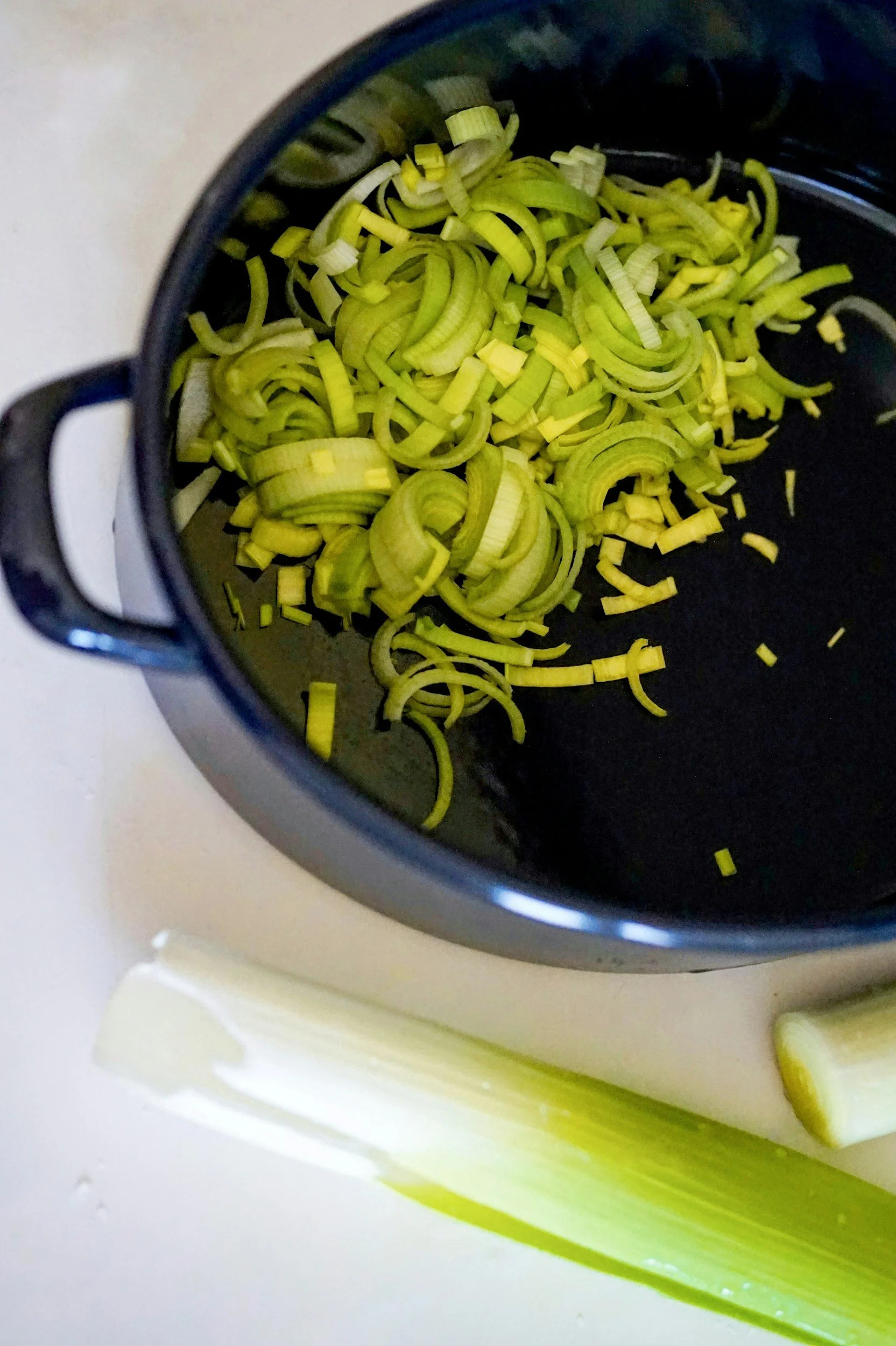
Cooked leeks, garlic, onions
Recipes I Love That Help You Produce More Butyrate:
Real Talk: Should You Supplement Butyrate?
In some cases, yes. But remember: your colon cells are incredibly efficient at absorbing butyrate—95% or more gets used before it ever hits the toilet. So we want to support natural production first through food and fiber, and only supplement when necessary. Food-based supplements like potato starch or green banana flour can be helpful for boosting your butyrate levels, I like these ones here!

I typically supplement in cases where I’ve tested and seen low levels or in a client with a history of inflammation in the colon - in cases like stable/in remission ulcerative colitis or Crohns or autoimmunity.
In addition, not all supplemental sources are created equal - the Tributytrin form is preferred as it has better absorption and can reach the colon most effectively.
How Do You Know If You're Low in Butyrate?
The best way to find out? Test! I offer a specialized add-on to the GI-MAP stool test that allows us to test butyrate (and other short chain fatty acids) directly—giving us clear insight into how well you’re producing and absorbing this critical compound. To work with me 1:1 and test your stool, book a free clarity call here.